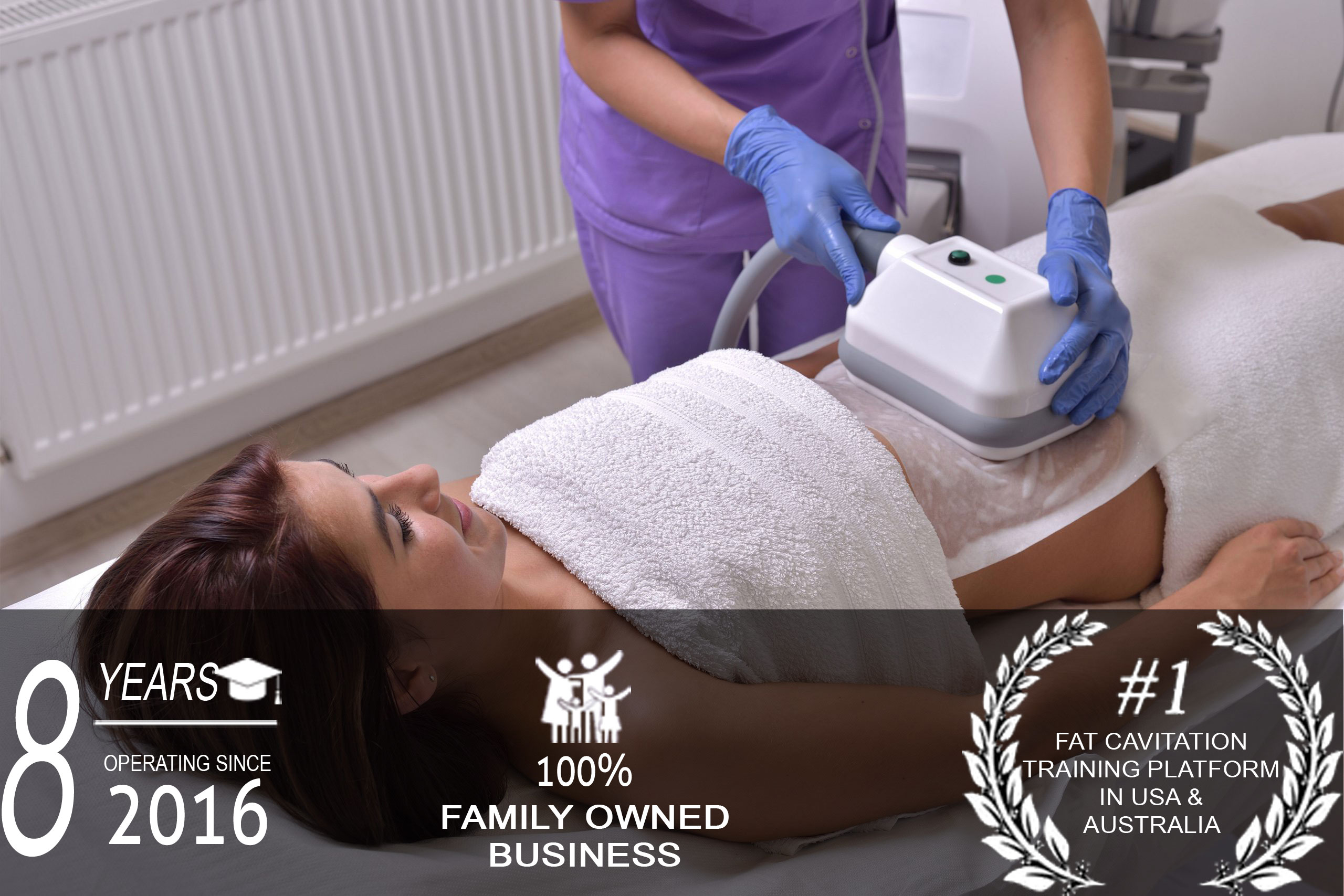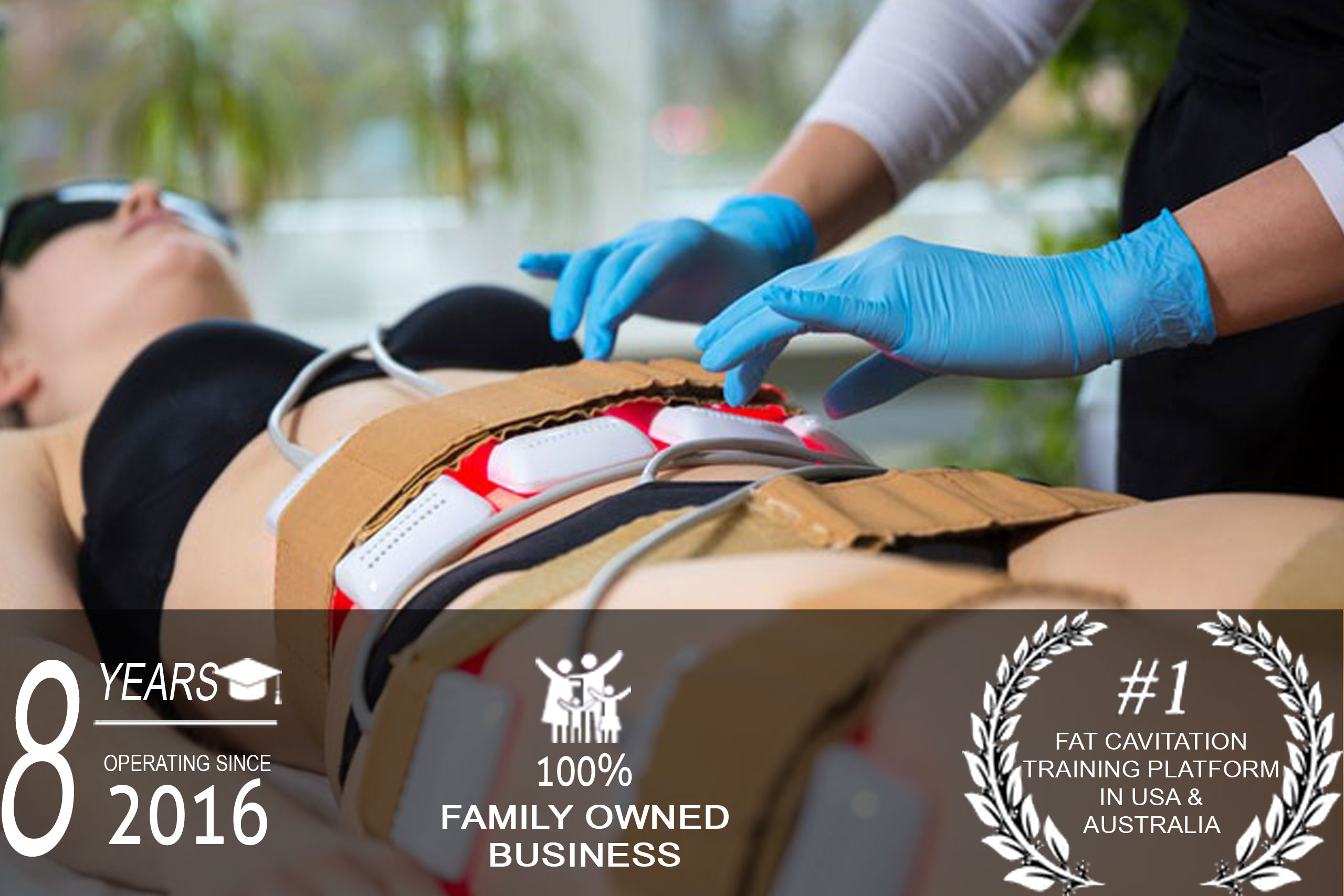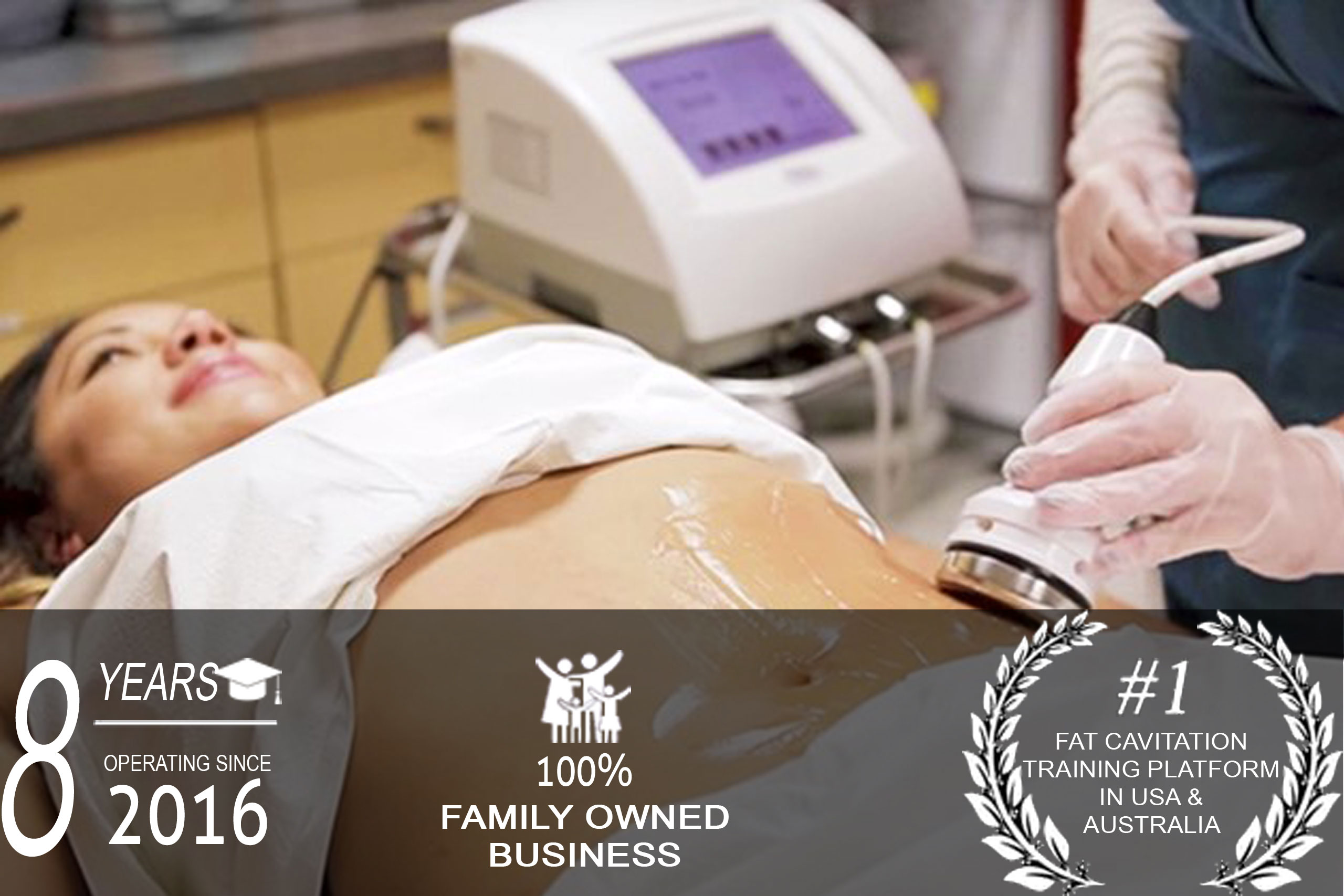
Ultrasonic cavitation has become one of the most talked-about treatments in the non-invasive body contouring industry. It is widely used by aesthetic clinics and body sculpting practitioners to help clients target stubborn fat areas without surgery.
Although cavitation is popular, many people still do not fully understand how it works or what realistic results look like.
What Is Ultrasonic Cavitation?
Ultrasonic cavitation is a non-surgical fat reduction treatment that uses low-frequency ultrasound waves to target fat cells beneath the skin.
The treatment is designed to:
- Break down fat cells
- Help contour the body
- Improve body shape
- Reduce stubborn fat pockets
It is commonly used on:
- Abdomen
- Love handles
- Thighs
- Arms
- Back
- Hips
Unlike liposuction, there are:
- No incisions
- No anaesthesia
- No downtime
How Does Cavitation Work?
The machine emits ultrasonic waves into the fat layer beneath the skin.
These sound waves create pressure changes that form microscopic bubbles around fat cells. This process is called cavitation.
The bubbles expand and collapse rapidly, disrupting the fat cell membranes.
Once disrupted:
- Fat cells release their contents
- The body processes the waste naturally
- The lymphatic system helps eliminate it
The fat is then metabolised and removed gradually over time.
What Happens During a Cavitation Treatment?
A typical session usually lasts:
- 30 to 60 minutes
The practitioner applies:
- Conductive gel
- Handpiece over treatment area
Clients often describe the sensation as:
- Warm
- Comfortable
- Mild buzzing sound in the ears
Most people experience little to no discomfort.
Is Cavitation Permanent?
Fat cells destroyed during treatment do not regenerate easily.
However, remaining fat cells can still expand if:
- Diet is poor
- Exercise is limited
- Weight gain occurs
This is why maintenance and lifestyle are important.
How Many Sessions Are Needed?
Most clients require:
- 6 to 12 sessions
Results vary based on:
- Body type
- Hydration
- Lifestyle
- Metabolism
- Area being treated
Consistency matters.
What Areas Respond Best?
Cavitation generally works best on:
- Soft fat
- Localised fat deposits
It is less effective for:
- Significant obesity
- Loose hanging skin
- Large amounts of visceral fat
Who Is a Good Candidate?
Ideal clients are typically:
- Near their target weight
- Living a relatively healthy lifestyle
- Looking for body shaping rather than dramatic weight loss
Cavitation is best viewed as:
- Body contouring
- Spot reduction assistance
- Shape refinement
Not as a replacement for healthy habits.
Benefits of Ultrasonic Cavitation
Non-Invasive
No surgery or needles.
Minimal Downtime
Most clients return to normal activities immediately.
Comfortable
Treatments are generally painless.
Popular With Clients
Strong consumer demand continues globally.
Can Be Combined With Other Treatments
Often paired with:
- Radio frequency
- Laser lipo
- EMS sculpting
- Lymphatic drainage
Potential Side Effects
Side effects are usually mild and temporary.
Possible effects include:
- Redness
- Warmth
- Mild tenderness
- Temporary swelling
Proper hydration is extremely important after treatment.
Contraindications
Cavitation is not suitable for everyone.
Avoid treatment for clients with:
- Pregnancy
- Pacemakers
- Liver disease
- Kidney disease
- Metal implants near area
- Severe medical conditions
Consultation forms and proper screening are essential.
Does Cavitation Really Work?
Realistic expectations are critical.
Cavitation may help:
- Reduce centimetres
- Improve body shape
- Smooth stubborn areas
However:
- Results vary
- Multiple sessions are needed
- Lifestyle influences outcomes significantly
Professional practitioners never promise unrealistic transformations.
Why Cavitation Remains Popular
Clients love treatments that:
- Avoid surgery
- Require no downtime
- Feel comfortable
- Produce gradual visible improvements
For practitioners, cavitation remains attractive because:
- Equipment costs can be manageable
- Demand remains strong
- Treatments pair well with packages
Final Thoughts
Ultrasonic cavitation continues to be one of the most popular entry-level body contouring treatments for both practitioners and clients.
Success comes down to:
- Proper training
- Realistic expectations
- Consistency
- Good consultation procedures
- Combining treatments strategically
The best practitioners focus on client education and long-term results rather than exaggerated marketing claims.