Fat freezing and cavitation are two of the most popular non-invasive body contouring treatments available today. Both are designed to help reduce stubborn fat without surgery, but they work very differently.
Understanding the differences is essential if you want to build the right treatment menu for your clinic and recommend appropriate options for your clients.
What Is Fat Freezing?
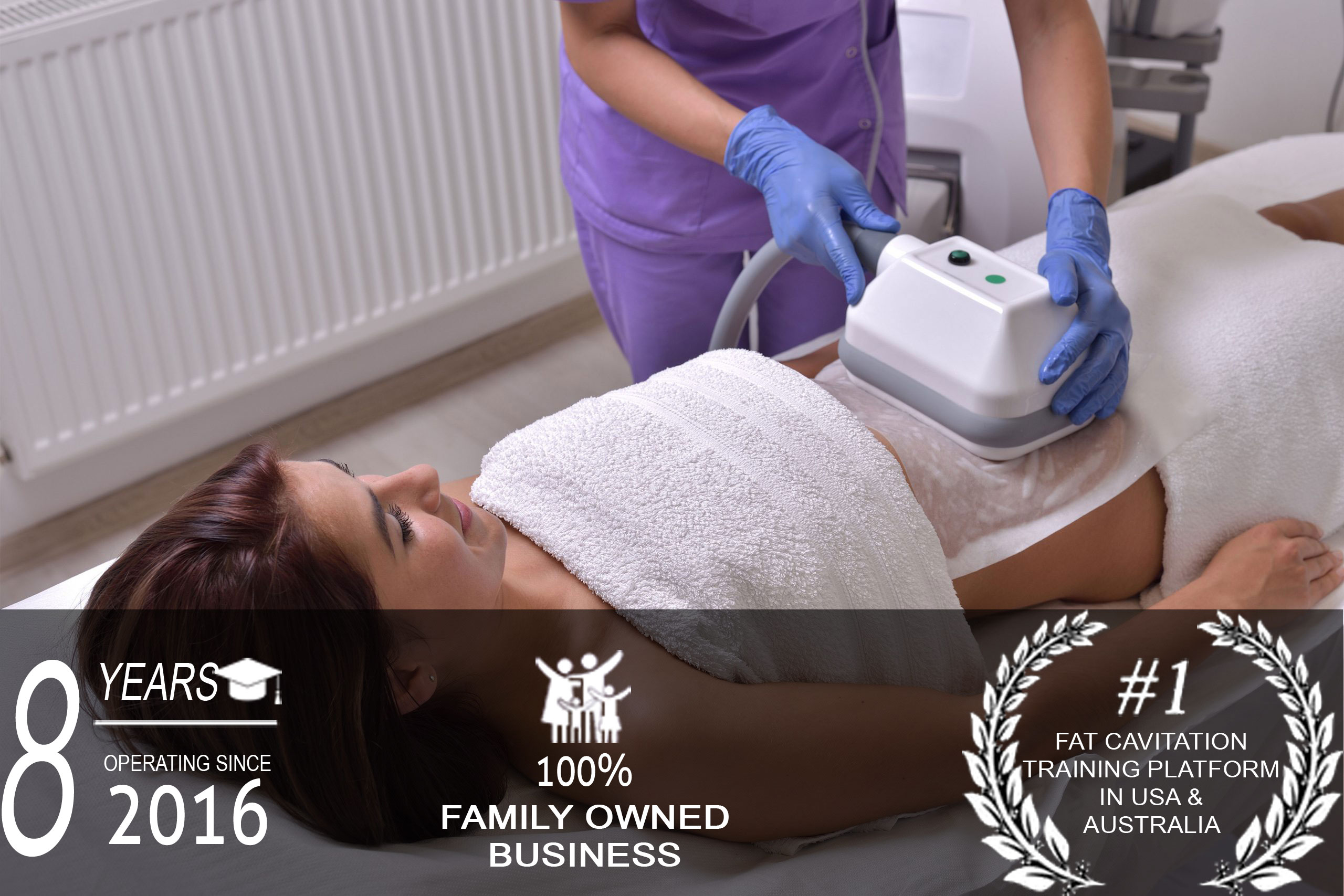
Fat freezing, also known as cryolipolysis, uses controlled cooling technology to target and freeze fat cells.
The concept is based on the idea that fat cells are more vulnerable to cold temperatures than surrounding tissues.
Once frozen:
- Fat cells gradually die
- The body naturally removes them over time
- The treated area becomes slimmer over several weeks
What Is Cavitation?
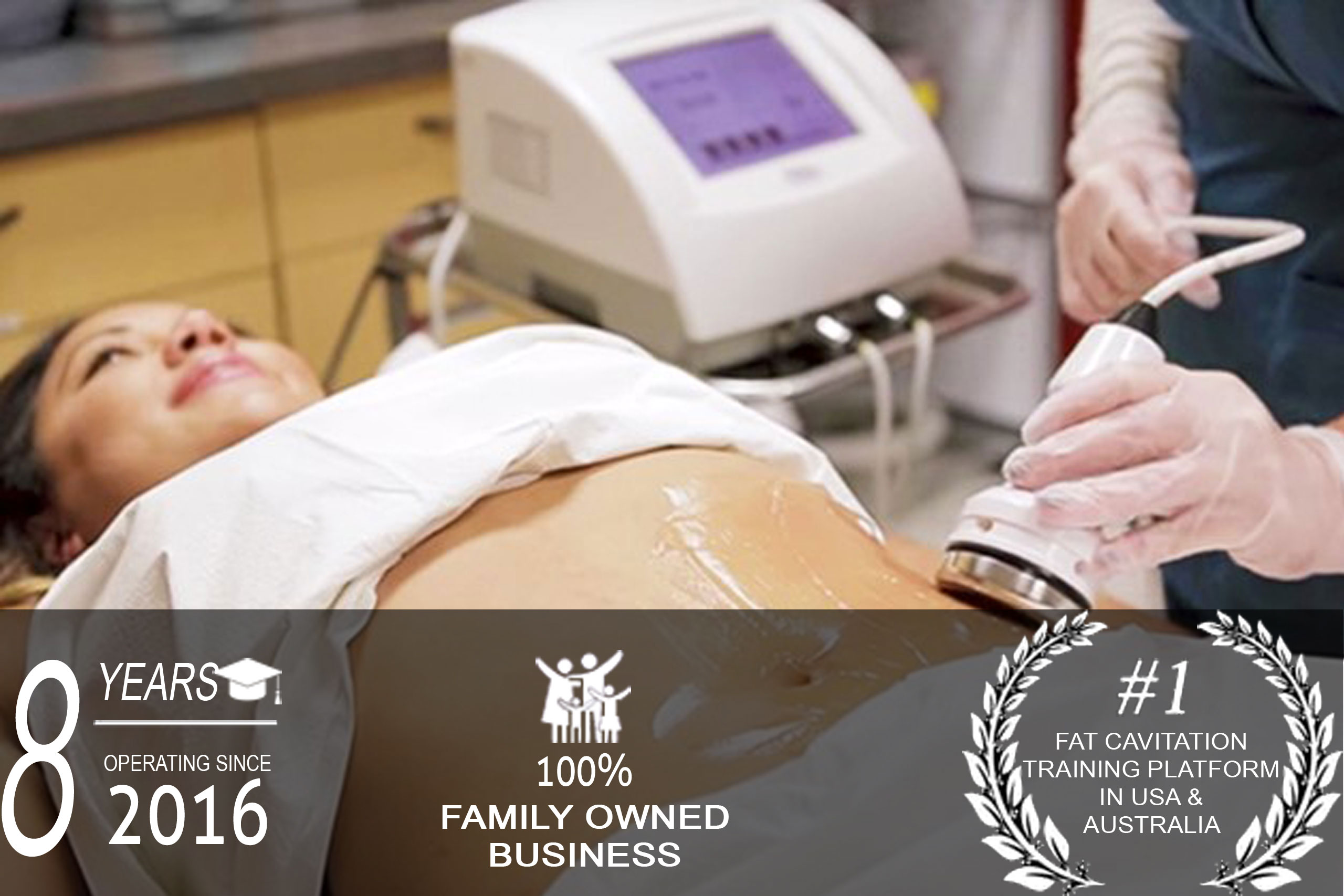
Cavitation uses ultrasonic sound waves to disrupt fat cells beneath the skin.
Unlike fat freezing, cavitation relies on ultrasound energy rather than cold temperatures.
The disrupted fat cells release contents that are then processed through the lymphatic system.
Key Difference Between Fat Freezing and Cavitation
Fat Freezing
Uses cold temperatures to destroy fat cells.
Cavitation
Uses ultrasound vibrations to break down fat cells.
Both aim to reduce localised fat deposits but use completely different technologies.
Treatment Experience
Fat Freezing Sessions
Clients usually experience:
- Strong cold sensation initially
- Pulling or suction feeling
- Temporary numbness
Sessions often last:
- 35 to 60 minutes per area
Cavitation Sessions
Clients usually experience:
- Warmth
- Mild buzzing
- Comfortable massage-like feeling
Sessions typically last:
- 30 to 60 minutes
Which Produces Faster Results?
Cavitation
Clients may notice:
- Temporary inch loss
- Reduced bloating
- Smoother appearance relatively quickly
Fat Freezing
Results generally take:
- Several weeks to months
The body needs time to naturally eliminate frozen fat cells.
Which Treatment Is Better for Different Clients?
Cavitation May Suit:
- Clients wanting gradual shaping
- Softer fat deposits
- Regular maintenance treatments
- Budget-conscious clients
Fat Freezing May Suit:
- Clients wanting fewer sessions
- Localised stubborn fat pockets
- Areas resistant to diet and exercise
Areas Commonly Treated
Fat Freezing
- Abdomen
- Flanks
- Back fat
- Inner thighs
Cavitation
- Abdomen
- Arms
- Thighs
- Hips
- Love handles
Downtime Comparison
Both treatments are considered non-invasive with minimal downtime.
However:
- Fat freezing may cause temporary numbness and bruising
- Cavitation usually involves milder temporary redness or warmth
Treatment Frequency
Cavitation
Often performed:
- Weekly
Usually requires:
- Multiple sessions
Fat Freezing
Typically spaced:
- Weeks apart
Often fewer sessions are required.
Profitability for Clinics
Both treatments can be profitable, but they operate differently.
Cavitation Advantages
- Lower entry cost in many cases
- Faster appointments
- Easier package sales
- Strong repeat business
Fat Freezing Advantages
- Higher-ticket pricing
- Premium treatment perception
- Strong brand recognition
Combining Treatments
Many clinics combine:
- Fat freezing
- Cavitation
- Radio frequency
- EMS sculpting
Combination protocols can help improve:
- Body contouring
- Skin appearance
- Client satisfaction
Important Client Education
Neither treatment is:
- A weight-loss miracle
- A substitute for healthy habits
- Guaranteed to produce dramatic transformations
The best clinics educate clients honestly.
Which Should You Offer in Your Clinic?
The answer depends on:
- Budget
- Target clientele
- Business goals
- Available space
- Desired price point
Many beginner clinics start with cavitation because:
- Lower startup costs
- High demand
- Easier entry point
More advanced clinics may later expand into fat freezing.
Final Thoughts
Both fat freezing and cavitation have a place within modern body contouring businesses.
The most important factor is not just the machine itself, but:
- Proper training
- Client consultation
- Realistic expectations
- Treatment consistency
- Professional service
Clinics that focus on education and client trust generally achieve the best long-term success.